The honest answer to "how much is homeowners insurance in Arizona" is that the published averages will not tell you anything useful about your house.
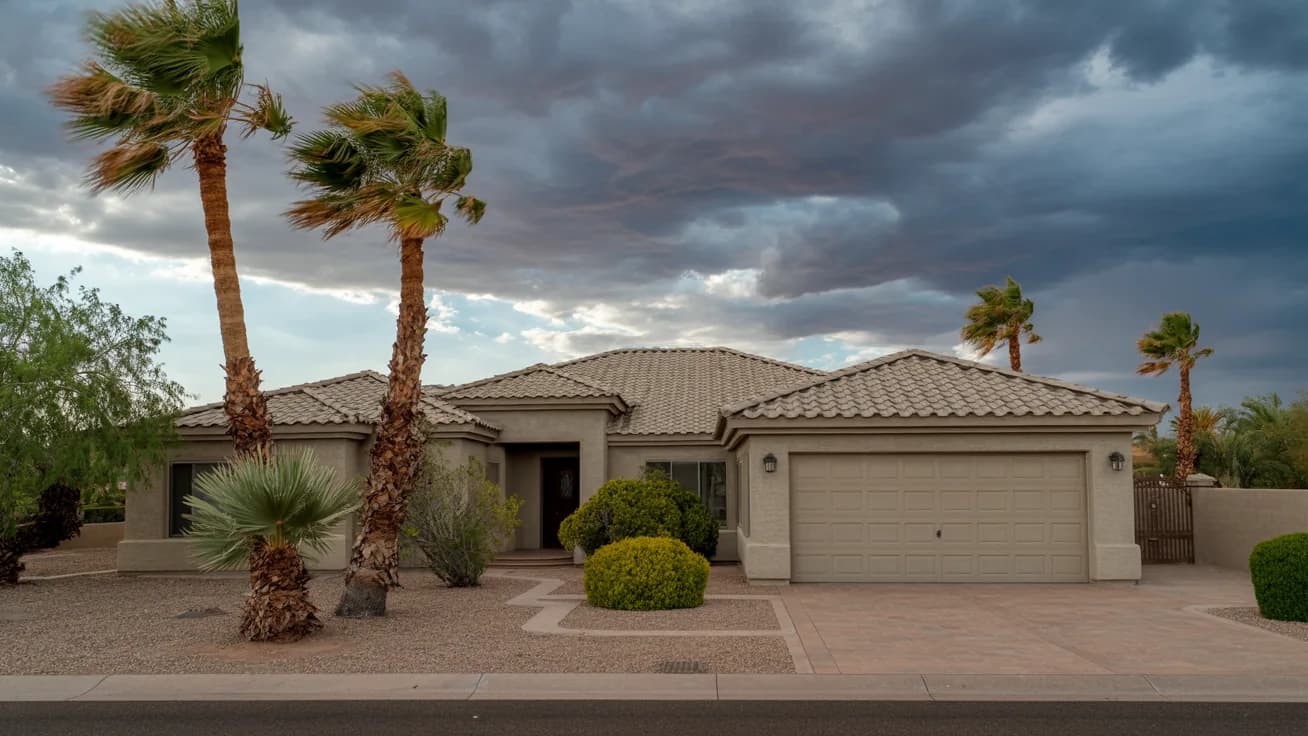
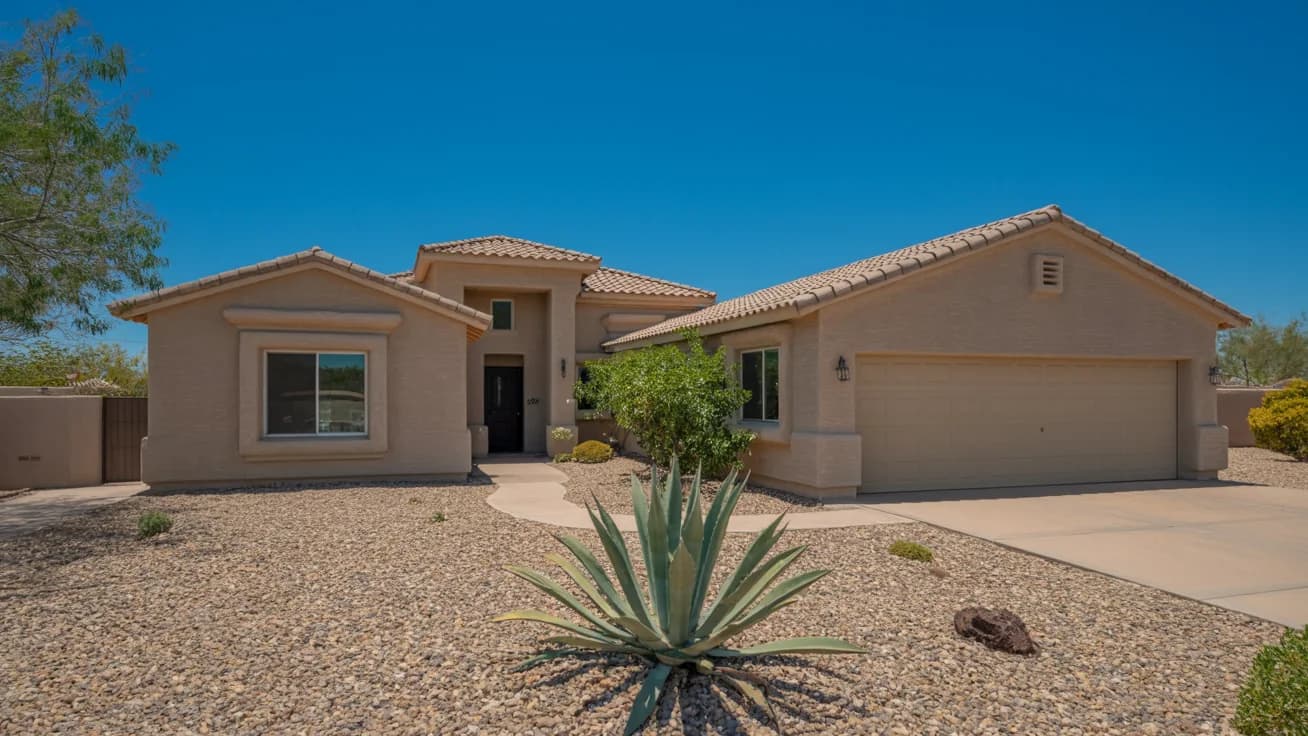
Home insurance is priced off the specific structure. Two houses on the same street, built ten years apart, with different roof ages and different rebuild costs, will price differently — and the gap can be large. What is genuinely worth understanding is which of those factors you control, and which one most Arizona homeowners get wrong.
What actually drives the premium?
Rebuild cost is the foundation of the whole calculation, and it is not the same as what you paid for the house. Rebuild cost is what it would take to reconstruct the structure at current material and labour prices. It excludes the land, which is why an expensive lot with a modest house can insure for far less than its purchase price suggests.
Roof age and condition carry more weight in Arizona than most homeowners expect. Sustained heat and UV exposure age roofing materials faster here than in milder climates, and carriers know it. Past a certain roof age many carriers restrict coverage, move to actual-cash-value settlement on the roof rather than replacement cost, or decline the risk entirely.
Construction and age of the home feed in: block versus frame, the age of the electrical and plumbing systems, and whether major systems have been updated.
Location matters at the ZIP code level — claim frequency, distance to a fire station, and local weather exposure all register.
Your limits and deductibles are the levers you control directly. A higher deductible lowers premium and raises your exposure at claim time. Some Arizona policies also carry a separate, higher wind/hail deductible, which is worth reading carefully before you assume you know what you would pay after a monsoon.
The mistake that costs the most: stale dwelling coverage
This is the one worth acting on.
Arizona construction costs have risen substantially over the past several years. Most policies apply a small automatic inflation adjustment at renewal, but that adjustment is a percentage nudge, not a re-calculation. If the underlying figure was set five or six years ago, the nudge has almost certainly not kept pace with what it now costs to rebuild.
The consequence shows up only at total loss, which is the worst possible moment to discover it. If your dwelling limit is meaningfully below actual rebuild cost, many policies also reduce what they pay on partial losses through a coinsurance provision — so being underinsured does not only hurt in a catastrophe.
Reviewing the rebuild figure against current costs is not expensive and takes one conversation. It is the single highest-value thing most Arizona homeowners could do with their policy this year.
What a standard policy does and does not cover
A standard homeowners insurance policy generally covers:
- The dwelling — the structure itself
- Other structures — detached garage, casita, shed, fencing
- Personal property — your belongings, usually at a percentage of the dwelling limit
- Loss of use — somewhere to live while a covered loss is repaired
- Personal liability — if someone is injured on your property
- Medical payments — smaller guest injury costs, regardless of fault
It generally does not cover:
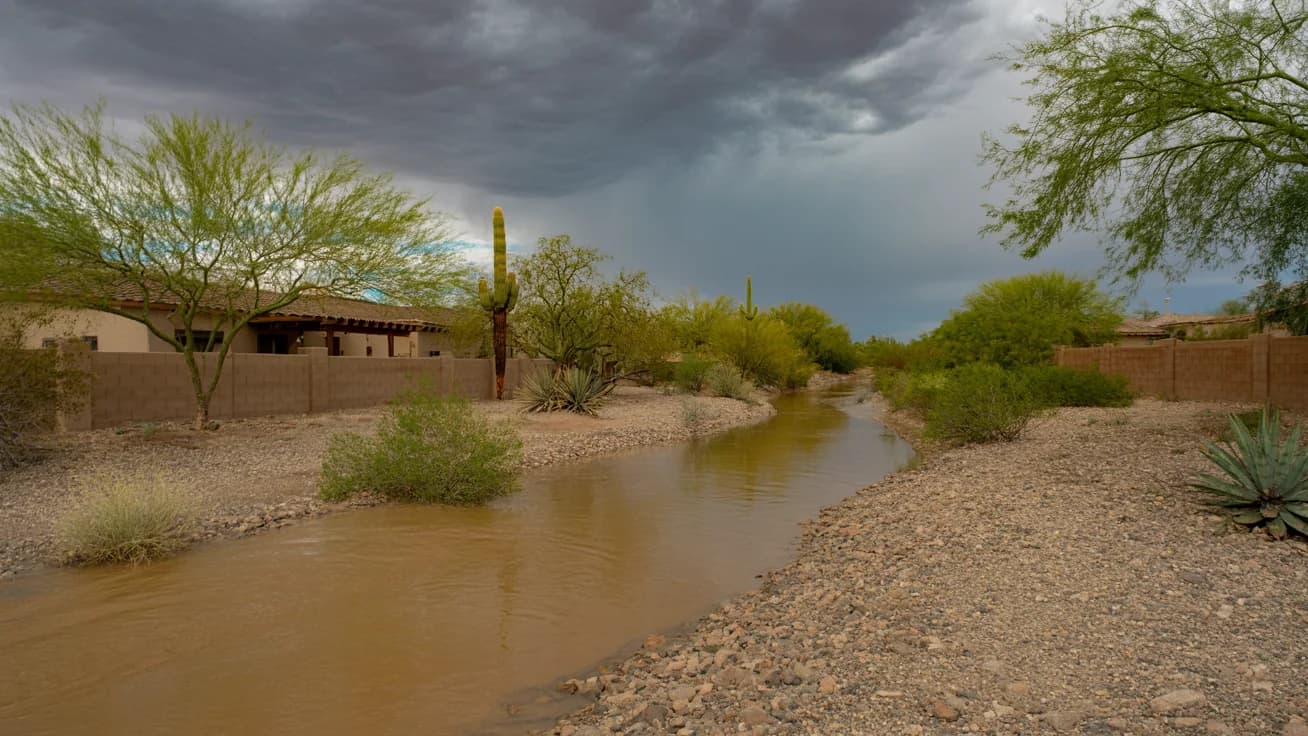
- Flood. Excluded from every standard homeowners policy. Monsoon flash flooding is flood.
- Earth movement, including settling and some foundation issues.
- Wear and tear. Damage that accumulates gradually — including heat degradation of a roof over years — is maintenance, not a covered peril. Sudden failures are treated differently from slow ones.
- High-value items above sub-limits. Jewellery, art, firearms and collectibles typically have low internal caps and need scheduling separately.
That flood exclusion is the one that surprises Arizona homeowners most often, because monsoon season delivers both covered wind damage and excluded flood damage in the same storm. We cover that in more detail in our guide to flood insurance in Arizona.
Practical ways to lower the number
- Compare carriers rather than accepting a renewal. Carriers weight roof age, construction and claim history very differently. The spread is often larger than any single discount.
- Bundle home and auto. Multi-policy pricing usually beats optimising each separately.
- Raise the deductible — deliberately. Moving up lowers premium, but only choose a figure you could actually pay tomorrow.
- Fix what makes you a worse risk. A roof replacement, an electrical panel upgrade, a monitored alarm, or updated plumbing can all change eligibility and price.
- Do not under-insure to save money. Cutting the dwelling limit below rebuild cost is not a saving, it is a deferred loss.
- Ask what discounts you already qualify for — claims-free history, new-home credit, protective devices, paperless billing.
When to have it reviewed
Annually, and after any of: a renovation or addition, a roof replacement, a significant purchase, a change in who lives in the home, or converting the property to a rental (which needs a landlord policy, not a homeowners policy).
If you would like your current coverage checked against what it would actually cost to rebuild — and against what other carriers would charge for the same protection — call Boone Insurance Group at (480) 508-1346 or request a free quote. We compare across multiple carriers, and the review costs nothing.